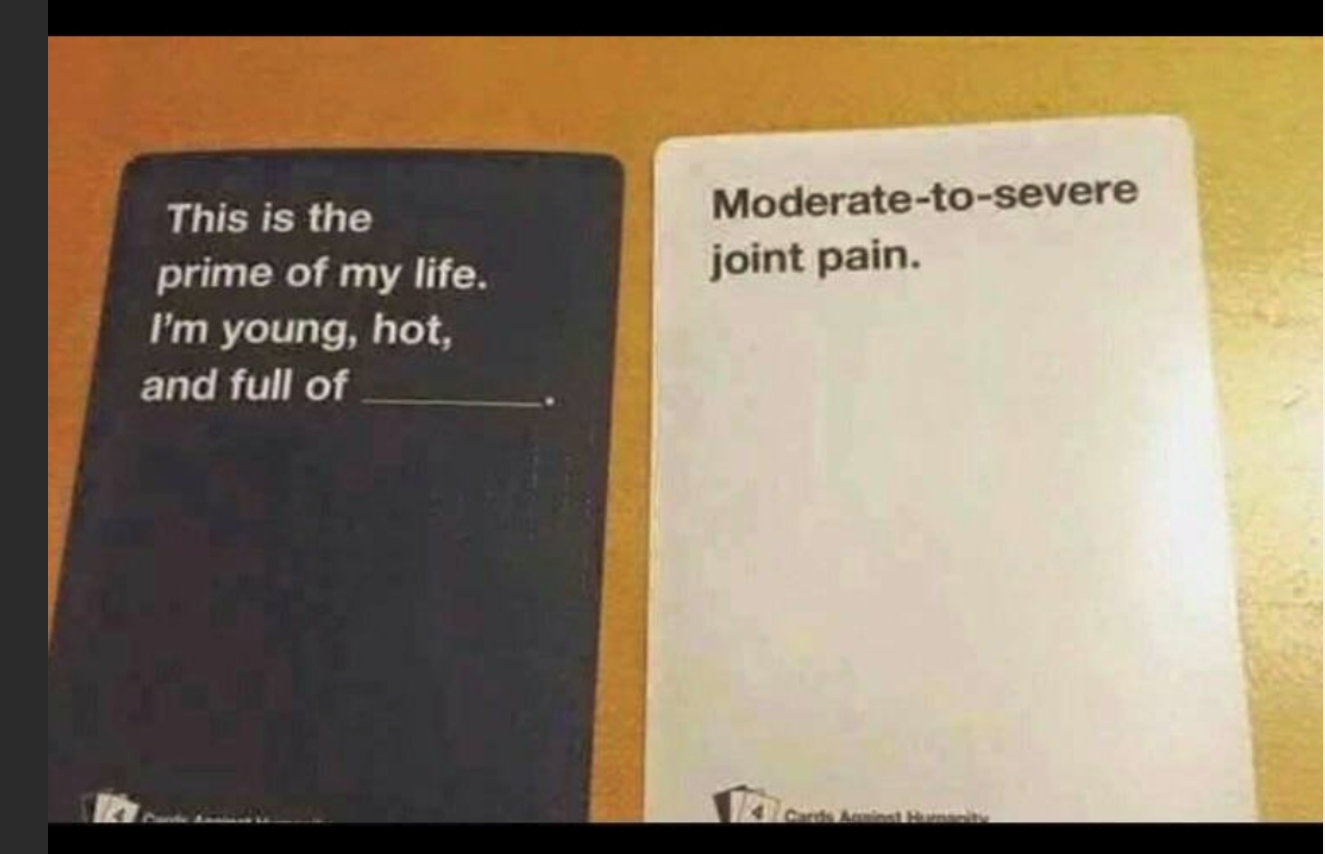
Monday, April 16, 2018

The Talk

   As the Ted x Talk date drew closer I practiced more and more often. Eventually I was able to read it by just glancing at my    q cards every few sentences. Early on in the writing process I had said my speech was 15 minutes long and eventually it grew to 17 minutes but there was a miscommunication and a week before the talk I was told it needed to be 10 minutes tops. That wasn’t manageable without almost completely rewriting it but I was able to shorten it back down to 15 minutes and they thankfully accepted that as an exception. In terms of how it actually went there have been delays in getting the video uploaded so for now I have to go off what those in the audience have told me. Many friends and family came, even my old high school staff. Everyone, even total strangers, unanimously told me it went great. There were other talks, and let’s just say that some were far better than others. One entrepreneur kept calling himself a visionary. He had a 6 am flight the next day and was slated as last to speak so I did him a favour and switched places with him. Not all the staff knew about this switch so the speaker who went second last said to the audience before she started “I’m the last speaker so everybody wake up!” I shouted from the audience, “Second last!” and then started getting ready.

    The plan was for them to grab a chair for me but because of the switch I had to rush to do it myself and grab water etc. The hurrying around made me lose my breath a bit but I didn’t notice until after I had already started the speech or I would have waited 30 seconds. At the time I was so certain that it was very noticeable but I found out afterwards virtually no one noticed. Within a minute I had caught my breath and managed a steady pace. I was actually very nervous since I’d never bared my soul to strangers before like that and a lot of effort went into not letting that anxiety distort my voice and I succeeded in that and a few minutes into the speech I felt completely at ease, speaking in a friendly manner.
     The one thing the nerves did affect was how often I looked at the notes. It wasn’t bad at all but was certainly not as good as I was when practicing. I still looked into the audience plenty and couldn’t help but notice the awed looks on people’s faces as I got to the more juicy bits of my past. Some looked incredulous that my seemingly healthy self has had to deal with so much medical shit, but the entire audience was captivated. I was too distracted to notice but I was told a good number of people gave me the only standing ovation of the night. I had a dozen strangers come up to me afterwards to thank me for giving the speech because of how helpful it is for awareness. One man had chronic pain of his own and said he’s always tried to put his thoughts into words but that I perfectly conveyed our shared plight. Overall it was an amazing opportunity and experience to have, this is the best possible way to improve my public speaking abilities which is crucial for both lawyers and politicians.
    Giving the Ted Talk was uplifting but this was still a difficult time period. For years my allergy to my own sweat had been steadily worsening. It had gotten to the point where it was having a huge impact on my happiness. Here’s a message I sent while venting: “This sweat allergy thing is one of the worst things that’s ever happened to me. It feels like getting stung by 1000 bees at the same time every second all over your entire body for 30 minutes straight. The rashes have been getting more visible. At its worst it looks like I have the chickenpox and when the pain finally recedes the relief is orgasmic. It’s still too soon to judge the effectiveness of the antihistamines I’ve been given. Since the attacks last the same amount of time as it takes for the medications to work I can’t tell which is the reason for it stopping. It used to only happen when I played nerf or was in Mexico but now it happens when the room is just slightly too hot. My bathroom is the hottest part of the house and going in there for 30 seconds triggers it, even in the winter. The tiniest amount of sweat is all of a sudden a huge deal. During an attack I can’t think about anything else until it ends. I’ve started keeping me windows open. The triggering threshold is so tiny that the pain makes me realize I’m sweating far before I would realize on my own. At this point it feels like I get a new symptom every month. How the fuck am I supposed to stay sane if every time I become able to cope with a new issue they move the damned goalpost by introducing another one.” This is all on top of my leg pain continuing to get worse. I’m often told to keep the tap running before drinking from it but now it’s at the point I’m often not willing to wait standing for even a few extra seconds.
    Another treatment plan recommended by my doctor is in the pipeline: nerve blocks. He’s had them himself for his own leg pain to great effect. I’m a lot more hopeful about ketamine because my issues aren’t limited to a single nerve and are more musculoskeletal than neurological. If in say 5 years none of these options help at all I’d honestly start wondering about things like amputation. I’d rather have prosthetic legs and have no pain and be able to sleep at night then continuing the worsening status quo. More problems keep arising. I tore a muscle by my knee despite no recent activity. It weirdly got worse even when I’d strain my upper body like going to pee and caused a nice big tender bruise. There are things encouraging me to stay hopeful. Recently someone made an anonymous $1 million dollar donation to research my specific type of EDS.
     Until the recent past, when I needed to wake up early for something important I’d sacrifice a few days waking up a few hours earlier each day to get ready. I’d let myself sleep for 5 hours tops and force myself to stay awake without napping. Now even if I sleep 9 hours I risk accidentally napping since the increased pain has further worsened sleeping. As a result my only real option is doing the opposite of what I used to, waking up as late as possible each day until the clock reaches a normal wakeup time. This strategy has the downside of making me nocturnal for about 1/3 of my nights which is why my Facebook friends notice I’m awake at such odd times.
     This new strategy of sleeping in later every day has revealed my sleep issues are even weirder than I realized before. I somehow (due to pain) manage to get very behind in sleep without feeling sleepy. I get more and more tired and I get heavy bags under my eyes while it feels like I haven’t slept in days in terms of how my head felt. Yet I’m not sleepy at all and so end up being involuntarily awake for literally 30 hours.
     Being behind in sleep also causes gastro issues even though I’m not sleepy, just extremely tired from being behind. I get allodynia (sensation wrongly registered as pain) on my face which causes me to do odd things. If you see my hand kind of resting on my cheek with my palm facing away that’s a sure-fire way of knowing I’m extremely uncomfortable from exhaustion induced allodynia. It gets so bad sometimes I can’t wear my headphones to distract myself from how bad it is.  It’s weird but I do this because just lightly touching my face gives me a feeling to focus on other than the pain and exhaustion. This typically only starts to occur when I’ve been awake for more than 22 hours. Basically I get all the symptoms of being exhausted except the sleepiness and when I finally do fall asleep I need to sleep for 18 hours. It wasn’t very long ago I only needed 10 hours tops to function well. Either there’s something very strange and hidden about the way my brain works or my pain is just so bad it completely negates any hope of feeling sleepy in a reasonable timeframe due to the increased alertness response. Due to the fact I’m only able to be productive for the first 12 hours I’m awake maximum, this means my productivity window has become even tinier than before. Otherwise it’d be like trying to write an essay while you have a severe migraine; it’s just not possible.
    All this means that I’m awake but too tired to concentrate for at least 18 hours. Then I fall asleep for another 18 hours and obviously can’t work then either. After that you have to factor in the days of constant doctor appointments and of course taking time to eat something. I just have no time to get anything done anymore so if I don’t get something to improve my situation (ketamine pills hopefully) in time for the next semester I’ll have to temporarily drop out of university. In my very first semester at the University of Guelph I was almost able to manage 3 courses at a time but could easily do 2. Now I can barely do one, the only reason I’m able to finish one course in my 4th semester is because I saw this coming and so worked my ass off in the first month of the semester while I still had the chance. For the rest of the hours when I can’t concentrate it would seem like I have a huge amount of free time and while that’s technically true, it’s not really free if all you can do is watch TV or lie in bed awake. All I want to do is fast forward to the next day.
    I of course won’t be able to go to summer camp for the first time since 2005. Even if my sleep improved I worry my sweat allergy would prevent me from going. I’ll just have to wait for the weather to get warmer to see how that plays out. For now this whole volatile sleep pattern is very disorienting. It’s hard to remember when you last showered or brushed your teeth when you’re awake for 30 hours instead of 14. To optimize the situation every night I have to try to do really annoying math to figure out when to take my first, third, and second set of pills, when to try to go to bed, and when to set my alarm to wake up. It’s simple plus or minus math but when you’re exhausted and heavily medicated with sedatives it becomes very hard and headache inducing. I’d try to make educated guesses based on how I was feeling in figuring out how long I’ll likely be awake. The tricky part is planning things out several days in advance because of some important event I need to wake up at a specific time for. I have to make a chart that says “If I go to sleep now I’ll probably wake up then tomorrow. Based on how much sleep I’ll be getting I’ll probably be too alert to fall asleep for this long that night. Then I have to do the same thing for the next day and the next day.” The worst part is you can make flawless decisions and still get screwed when god gives you the middle finger and causes unpredictable pain spikes or my medications decide to go on strike and stop doing their job for a while. I basically need to be far more incapacitated to sleep now even relative to myself a few years ago.
     My medication cocktail needs to give me essentially total cognitive and sensory deprivation to allow me to sleep through the pain. If I can even attempt to form a coherent thought then I won’t ‘Fall asleep’ which is why I don’t like to say ‘fall asleep.’ In actuality my meds just knock me out. I might as well be in a coma again at that point. When I finally have a good day I often get angry because I can’t help but think to myself how much I would accomplish if every day was like this. Honestly studying 12 hours on a good day is way easier than studying half an hour on a bad day.
These aren't even half the needles I got for my allergy test.

This is a pain scale I found that I think is 100% accurate. My pain now never goes below 8 and during the worst pain spikes it goes up to 9. I'd say 9.5 is like being tortured by the CIA and 10 is being set on fire so it's quite insane that I get to 9.

This is just the beginning of a rash attack, it actually gets much worse. Those red areas sting horribly.


Ridiculously dry feet. Increased medication side effect?


Reading glasses because when I wake up my medications from the night make my eyes extremely dilated.

Monday, December 25, 2017

Stand By You

                                                              Stand By You

   This is another song analysis post. I'm not usually very into pop songs but the lyrics hit home hard. Think of it in the context of my friends and family supporting me both physically and emotionally. Unlike Humbling River, the idea is the song would be song to me rather than by me. For those not interested in song posts, don't worry, this is the last one for the foreseeable future.

Song link: https://www.youtube.com/watch?v=bwB9EMpW8eY


Hands, put your empty hands in mine. And scars, show me all the scars you hide: For anyone but the closest friends and family I have to avoid oversharing my medical issues. These issues can be depressing, and people aren’t looking for depressing thoughts when they hang out with their friends. It’s not like I’m posting pictures of me at my worst on my Facebook wall, that kind of openness is limited to my memoir closed group. Otherwise I just put on a happy smile and present that to the wider population because that’s what they want to see, for the most part. Those closest to me want to know the full picture which means I don’t have to hide my scars, mental or physical, 24/7.

And hey, if your wings are broken. Please take mine so yours can open too. 'Cause I'm gonna stand by you: In terms of independence, I do what I can. The key part of this line is, “So yours can open too.” It involves people giving me a push with their help so I can begin to strengthen and achieve things for myself as they support me. It’s the best way to feel productive.

Oh, tears make kaleidoscopes in your eyes. And hurt, I know you're hurting, but so am I: This acknowledges that supporting a sick family member is a team effort. Pain can be as contagious as laughter. It’s tricky reconciling this with trying not feel like a burden.

Even if we're breaking down, we can find a way to break through. Even if we can't find heaven, I'll walk through hell with you. Love, you're not alone, 'cause I'm gonna stand by you: This is one of my favourite lines because it rings so true. In my situation climbing up to a 'heaven' is unattainable right now. No matter how hard I try I’m not going to cure myself and as long as this pain continues unabated finding peace in 'heaven' is a distant dream. In my mind simply not having chronic pain would be heaven. Yet with all this knowledge I keep up the effort anyway with a family that dives into the muck with me and keeps pulling me in the right direction.

Yeah, you're all I never knew I needed. And the heart, sometimes it's unclear why it's beating. And love, if your wings are broken, We can brave through those emotions too, 'Cause I'm gonna stand by you. Oh, truth, I guess truth is what you believe in. And faith, I think faith is helping to reason: Truth is what I believe in. I believe that my salvation is best achieved by invariably telling the truth of what I feel. After the experiences I’ve been through I've learned complete trust is essential to making any real progress, whether it be with doctors, friends, or family.
          
I'll be your eyes when yours can't shine. I'll be your arms, I'll be your steady satellite. And when you can't rise, well, I'll cry with you on hands and knees 'Cause I, I'm gonna stand by you: When I’m at rock bottom, say during a particularly extreme pain spike, it becomes difficult if not impossible to maintain a rational perspective. During these times it’s helpful to lean on family to guide you through what your mind cannot process. I’m not very pleasant to be around in those moments. I can hide in my house away from friends but family is always there, no matter what, through the good and bad.

Sunday, December 24, 2017

What Could Have Been

    I had finished the York Ted Talk X speech fairly quickly; I wanted to have as much time to practice as possible. The focus of the topic ended up being self-advocacy for medical patients such as me. I’ve learned so many lessons in that respect in the past 9 years that I’ll hopefully make sure others don’t also have to learn them the hard way like I did. It’s especially important for those with invisible illnesses to learn how to get the truth of what’s going on out no matter how long it takes.

    After the semester ended it was time to see all my doctors. I had 6 appointments in the span of 5 days, one of which was the second dose of ketamine. The first time I went to the clinic was before the semester started where I received a dose of 10 ml. This last time I was given 20. My appointment next month will be 30. According to my own internet searches the maximum dose is 100 so I still have a long way to go. Thankfully, the interval between appointments is finally shortening. I was a lot less tired on my second visit so I didn't get knocked out for hours like the first time but I did almost fall asleep even though I had just woken up. This continues what seems like massive potential for ketamine to work as a sleep aid. There still wasn't much of a difference in the pain itself so I have been feeling a bit depressed since that appointment. I wish they had told me the long term timeline at my first visit so I didn't put so much importance on this second infusion. Now I'm going to have to keep struggling, probably with only one course at Guelph, and even then there's no guarantee the pain will get helped anytime soon. I had to look up the dosages myself because the doctor refused to explain the different tiers. She just kept saying, "It depends on how you react to the treatments" over and over again. I understood that but just wanted to get an idea for where I might expect real improvement based on the average usual results. I think they are ageist and are worried I am so insistent on getting the pills is because I want to sell them. I still haven't seen anyone at the clinic under the age of 60. They don't understand how resistant to treatment my pain is. I won't improve if we don't make use of the sedating effects of ketamine so I can take a pill or something before bed so it's not like I want to take them during the day and be high all the time. 

   In the fall 2017 semester one of the classes I was taking was a course that combined political science and law. I was very interested in the material and was doing well at first but as my pain and by extension sleep worsened I simply didn’t have enough good days to read the required heavily written material. I managed to read the entire law textbook but that alone wasn't good enough. Reading dense law texts takes a lot of concentration and when you only get a few hours of sleep that becomes impossible. The class was originally located in a building with many huge flights of stairs and no elevator. The Guelph Student Accessibility Services responded to my concern quickly and moved the whole class to a new building for me. Unfortunately I still ended up having to drop the course which was pretty depressing. I did well in my other political science course at least, ended up with an 87. I have the marks for law school but at my current rate it’ll take forever to get there. Hopefully getting to a decent dose of ketamine will change things. I still think becoming a judge would be perfect for me. I've already got a small bit of experience with that anyway, I was elected as the senior member on the disciplinary committee at the summer camp I work at for several years and am sworn to secrecy when it comes to specific cases, but I think I did a good job.


   I also finally saw the allergist that the EDS clinic referred me to almost a year ago. After the clinic's assessment they said they suspected that Mast Cell Disease, associated with EDS, was the cause of my extremely painful stinging rashes that would come on seemingly randomly. However, recently, I started noticing patterns. I observed that it would usually happen when I play a game of nerf or work out and so I proposed to my dad that maybe it's tied to exertion. He explained to me that certain people can become allergic to their own sweat and I said that makes sense because I also then remembered it got really bad in the hot weather of our trip to Cancun. The medical term for this is Exercise-Induced Urticaria. The allergist agreed with this diagnosis but said that the treatment for Mast Cell and a sweat allergy are the same: special antihistamines; so either way the medication I'm about to start could help. I hate not being able to do cardio out of fear from a stinging attack. We did many blood and allergy tests while at Saint Micheal's Hospital. The needles were for testing different insect stings and blood tests for underlying causes. I'd never been poked so much in my entire life. All those dots on my arms were each from a needle injection and I had just as many on my other arm. This was actually taken a few days after the test so it's not as pronounced, making some hard to see. I count 13 holes on that arm alone. The tests were negative but false negatives aren't uncommon. We would have to pay quite a bit to get the next more reliable level of testing. We're still deciding on whether to do it. While I was at the EDS clinic they explained that certain of my fingers locking in two positions is actually my tendon sliding over my bone. 

    I then went to the dentist and the receptionist wouldn't stop commenting on how tired I looked. It was mentioned five times in one conversation. It upset me a bit because I overall I was so mentally tired from the roller coaster of emotions when it comes to ketamine. It's likely that ketamine probably won't help for quite awhile butI just need the ordeal to end so I can stop feeling perpetually exhausted both physically and mentally.

   I love the Nerf Club at Guelph but it really does push me to my physical limits in terms of leg usage. Things only got more difficult after the gym was renovated and the new entrance was 10 times farther from the nerf gym. This meant there was a lot more walking involved right before the already straining nerf game. I wrote to SAS requesting a wheelchair to be kept at the entrance so I can roll myself to the nerf gym. They said they would do so and the first week I went there was no chair. The next week I went and there was a chair, but it wasn't one that you can push yourself. Everyone gets to the gym at different times so it's not like I can go with friends and have them push me. A push-less chair is essentially useless. It goes without saying I wasn't very impressed.

   My masseuses know my pain has been worsening just as much as I do. The tightness is a dead  giveaway and when we say hello it usually follows with them saying: "Feeling the usual?" "Yep," "That bad, eh?" While that's happening, I need disability accommodations more than ever. This year I started seeing a new family doctor who was reluctant to write a note to the university asking them to let me have medical parking like my previous doctor did. He thought a car being on the other side of the parking lot isn't a big deal and he would have been right. The issue is that on very busy days the entire parking lot is full which forces me to have to park significantly farther away. When I was insistent he simply said the extra walking would be good "exercise"... He eventually relented when I promised that if the parking lot was never full I wouldn't ask for medical parking in the next semester. Turned out there was no nearby free space on the very first day and since I hadn't picked up my permit yet I had to pay at a parking meter.

   Due to unlucky coincidences I kept getting nose bleeds while driving my car which is obviously distracting and therefore dangerous. It got to the point where I decided it was warranted to get a third cauterization in the same spot (right nostril) as the previous ones. We think a combination of EDS causing easy bleeding and me breaking my nose so many times contributed to the problem. It definitely hurts a bit while it happens but the recovery is relatively easy, nothing like the deviated septum correction surgery.

   There was a specific moment I finally accepted the reality that my pain is worsening. I had woken up at 6:20 pm and had important events coming up early in the upcoming days and couldn't afford the time it would take to slowly wake up earlier each day like I usually do. For the first time ever since my pain started I decided to try doing an all-nighter so I could fall asleep and then wake up early. Things didn't go as planned. I found a getting fan blowing on my face helped me stay awake but as I should have foreseen I started getting very sick. Yet after pulling it off and staying awake all day I still couldn't fall asleep because of the pain. I took the realization well at first but as it sunk in that changed. It's not really possible when at university but while at home I've started using the opposite strategy when I accidentally become nocturnal. I set no morning alarms and let myself sleep in as long as possible each day. Each day I wake up later and so eventually the clock comes back to normal for a little while. It's far less unpleasant than an all-nighter and lets me avoid getting sick but is only doable when I have a few days where I can afford being nocturnal as the clock shifts.

   Sometimes it feels like good days can be harder than bad days. I get to thinking about all the things that I could have accomplished if every day was a "good" day. Hell, maybe I'd even be taller because apparently sleep deprivation can impair growth. I can so easily imagine myself having the freedom to pursue my interests. I was just starting to learn how to spar at martial arts when my pain started, I felt like I had a talent for it and was excited to train and compete in tournaments like my older brother. I actually still have good response reflexes from those classes. I 100% would have taken swordfighting lessons for fun, I like watching tournaments once in awhile. Sure I have been trying sit-skiing now but I'm definitely still envious when I see family ski trip pictures. Since I used to love hockey I still like to ironically wear a shirt of a hockey player with the tag line "Once you start, try stopping." I'm also certain my relationships would be vastly different if I was healthy. Reading old Facebook conversations from the period I was on morphine is particularly upsetting. I did keep apologizing for it but many relationships ended during that time period. Nowadays illness gets in the way of dating apps because most 22 year olds aren't mature enough to accept all this medical baggage, they have different priorities. The future is friendly in that respect. I also feel like all my hugs are awkward because all I can focus on while standing up is sitting back down again. I was never particularly graceful to begin with but when in such pain it's a whole new ball game of minor but noticeable deviance.

Tuesday, November 14, 2017

Setting Sail, Coming Home

                                                       Setting Sail, Coming Home

This is a song I listened to on my way back home after being discharged from the hospital. As a result I strongly associate the song with that car ride. Link: https://www.youtube.com/watch?v=GDflVhOpS4E#t=1m2s

I set my sail; fly, the wind it will take me, back to my home, sweet home. Lie on my back, clouds are making way for me, I'm coming home, sweet home: Pretty self-explanatory, I’m finally going home after a multi-month involuntary internment in a psych ward.

I see your star, you left it burning for me; mother, I'm here: Finally returning to my parents was emotional, but my path wasn’t my own. At this point the official diagnosis was mental rather than physical so I just had to go along with things I knew wouldn’t help and actually often harmed. I was allowed to sleep at home but still had to go to the hospital during the day so I could lie about all the amazing progress I was making.  

Build that wall and build it strong, 'cause we'll be there before too long. I dig my hole, you build a wall, one day that wall is gonna fall: Being discharged from the psych ward didn’t mean my situation had improved at all. My experiences were making me hateful towards doctors, towards family, and most of all towards myself. The last time I can remember lying was when I did so to get discharged from the psych ward. After the discharge I continued digging myself deeper into a hole of misery while the barriers in understanding between me and those trying to help me only became more concrete. It was unsustainable and everybody knew it, that wall was always going to fall.

Eyes open wide, feel your heart and it's glowing, I'm welcome home, sweet home. I take your hand, now you'll never be lonely, not when I'm home, sweet home: Going back home after facing the brink of death wasn’t an easy transition. Blame for the situation was being thrown around like hot potatoes, mostly by me. My absence left a void that needing filling.

Gonna build that wall up to the sky, gonna build that wall up to the sky, one day your bird is gonna fly: Like I said, the buildup of pain both physical and mental was unsustainable. I had left the hospital alive but the destructive cycle had not been broken. As long as the wall remained then another suicide attempt was only a matter of time. It finally fell in 2013 with my EDS diagnosis and I no longer had to defend my mental state.


Monday, October 30, 2017

Truths and Trances

   I waited for months to hear from the ketamine clinic after my neurologist said he had referred me. We all know how slow Canadian healthcare can be, so when months went by without me hearing anything I kept waiting patiently. Three or four months later I decided to take matters into my own hands. I was never told the name of the clinic so I spent a few hours online tracking down the contact information of likely suspects. Eventually I got a concrete name and I found out why I had never heard from them. Apparently they did receive my referral from my doctor, but they were never given my phone number so they couldn’t call me to book an appointment. I was obviously frustrated but they said they’d book one then and there so I tried to be diplomatic. It was hard to discover I had wasted months waiting for no good reason. If the health care workers didn’t mess up I would have been able to try ketamine before the 2017 school year began. I have to wonder why they didn’t just call my doctor’s office to ask for my number? The first 3 times I called them they put me on hold for 45 minutes and then dropped the call. It took hours of telephone tag to get in touch with them as a patient instead of a doctor but if I had done nothing I would have been waiting essentially indefinitely. The unfortunate reality of our struggling healthcare system is that patients sometimes must take matters into their own hands and be proactive.


    Weeks later the long awaited appointment date had arrived. The first thing I noticed is that I was the youngest person there by many decades. I'd peg 85% of the patients as over the age of 70. A funny truth I noticed is the harder you work to be healthy the more random people hate you for it. I look healthy because I work out whenever I can through the pain. It takes discipline not to get addicted to some of these long term medications like codeine. When you have an invisible illness the more successful you are the more hate you get. Society wants to see you suffer before they give their goodwill to help you. One of the many old guys in the room was glaring at me most of the time during the infusion. I got the impression he thought I was just there to get high or something. I was the only youth there and I didn't bring my cane so I looked to be walking normally for the most part. It's another funny truth that random people assume I'm a faker at the doctor or on the subway or whatever because I don't have my cane which then encourages me to bring my cane with even if I happen to be having a good day. It's quite the self-fulfilling prophecy. I also thought it was interestingly strange that it's mandatory for someone to come with to the clinic to drive you home and take care of you yet they make family wait in the waiting room rather than come into the infusion room.


    It was time for the IV to go in and even though the nurse admitted I have good big veins they had a lot of trouble getting it in. They had to try half a dozen times. They apologized but I matter-of-factly replied that the repeated needles are completely insignificant compared to my constant leg pain. They were half impressed and half sympathetic, they rubbed my head in a friendly matter and then the lidocane-ketamine infusion began. I had already tried lidocane infusions back in 2010ish but they didn't help at all. It's the ketamine that I'm betting on. I was warned that it can cause hallucinations. Since we were starting on a very low dose I guessed that it wouldn't have a significant effect, good or bad. I was wrong. The first thing I noticed was that I got double vision. There was a slight high feeling so I could see why ketamine is sometimes used recreationally(illegally.) It wasn't hugely different than medical marijuana. It puts you in a kind of trance where you realize every few minutes that you keep daydreaming. The most obvious effect was sedation more so than pain relief. When I got home I tried to stay awake but fell asleep for 3 hours in the middle of the day. I'd say the pain went from 8 to a 7 out of 10 but it didn't last long at all. It was far more powerful than the other medications I've tried. They noted I had a heart rate of 120. Overall it was a very promising start. The next infusion is in December. I had heard from the EDS Facebook group that there is ketamine in pill and nasal spray forms. If I could take those before bed the potential for helping me sleep is huge. They promised to look into those forms if the next infusion of a higher dose goes well.


    My memoir which is mostly comprised of these blogs posts is done. I've read 4 other similar memoirs so I can compare them to mine when sitting down with a publisher. I will be able to point at what made each successful and how my book incorporates all of those different strengths into one product. The next step is working with the professional writer who is helping me to create a high quality pitch. I was going to read a fifth memoir called Prozac Nation but by the end of the first chapter I found the author too insufferable to abide. Basically they were mentally ill and had pills that were very effective in managing the symptoms. She refused to take these pills just because she didn't like the idea of taking them. As someone who's life would be vastly improved if my pills actually worked and had a normal effect on me it's hard to feel empathy for someone who throws such a gift away. I don't want to read about someone's life getting destroyed simply because they don't like taking the medication that helps. Each of the other memoirs had something to offer. One called My Imaginary Illness had a story almost identical to mine but the writing style couldn't be more different. She has zero humor in her writing and her book is aimed toward health care profesionnals to show them the perils of doctoral arrogance. Another called Drunk Mom was extremely open and honest even when it made the author look like a horrible parent. One called The Boy In The Moon had a research element and was written by the parent instead of the patient. The last one was called Limbo and is well written but it ended with the author giving up her career dreams as a concert pianist and resigning herself to life in a wheelchair. I have recently come to the realization that my pain has been gradually getting worse over the years and so it wasn't a very uplifting ending. The lesson it should teach me is to accept reality and not hate yourself for it but I guess I need more time to get there because I am often told I'm too hard on myself. Before I actually began writing the pitch another more pressing opportunity presented itself. I was invited to be a speaker at a Ted Talk X event at York University!

Wednesday, September 6, 2017

Lessons Learned

   Throughout this entire 8 years (and counting) medical ordeal there has been pointless suffering and there has been constructive suffering. The random excruciating and unpredictable pain spikes would fall under the pointless category. The only lessons they taught me is to go to the damn hospital if you're having a breakdown purely from agonizing pain. To do otherwise is needlessly prolonging the pointless. Such experiences scar you forever. It makes everything worse, amplifying the feelings of "why me" and pushing you to get bitter towards the universe that lets these bad things happen to you. Then there's the constant dreading of the next inevitable pain spike. What if the pain spikes one day but decides not to go back down? When you go above 9/10 on the pain scale it takes mental strength to acknowledge there are literal unbearable levels of pain out there. It's not a very worthwhile lesson to learn.

   On the other end of the spectrum are bad experiences that serve some kind of purpose, intentionally or unintentionally. Take my accidental cannabis oil overdose for example; I can guarantee something like that will never happen again. One must never allow uncertainty when it comes to taking your medications. That doesn't just apply for something like measuring how much oil to take. Whenever you start a new medication you should be your own best advocate. Look up the medication to recognize the signs of side effects and drug interactions. My self-research is how I discovered I was experiencing the life threatening interaction of serotonin syndrome. Not once, but twice. I've prevented many more such incidents by looking up potential drug interactions myself. Failing to do so is especially problematic if you happen to have copious amounts of doctors like me. They are not always in communication to coordinate their actions and so are often unaware of what other treatments are being offered simultaneously. "Too many cooks in the kitchen," as they say.

   Perhaps the most important thing to take from this story is that honesty truly is the best policy. Before my diagnosis when we were running in circles from doctor to doctor like headless chickens I was often simply not believed whether because I was accused of being mistaken in my feelings or even outright lying. For this whole staying alive thing to work out I absolutely must be believed. This is a big part of why I simply don't lie (unless as part of something like a surprise party for example.) If people recognize I am doing my best to cope at all times they won't demand more than I can give; the past has demonstrated where the alternative can lead. The only time I can remember lying about anything related to my health was when I was in the psych ward and was asked if I was still suicidal. I said no because if lying was what it took to get out of that hellhole and then finally succeed in ending my life then I was willing to do it.

   Another lesson I've learned is to reign in impulsiveness. I am no longer suicidal but I am not 100% confident that it will stay that way forever. What if my worst fear comes true? A pain spike that starts and never stops. My second last resort is now seeking amputation. If my pain truly is caused by micro-tears in my joint cells then cutting my legs off might end the pain. All the way back in 2010 three years before my diagnosis I remember having a conversation with my cousin where I mentioned I'd rather be in a wheelchair without the pain than walking with the pain. He didn't think it a fair thing to say at the time because it was only me who truly understood the extent of the pain I was in. It's also impulsive for someone with my relatively fragile body to undertake reckless actions just to feel a bit more normal again. Going all out for that mattress game at camp was idiotic and completely not worth collapsing and feeling like my heart was going to burst.  The cliche lesson is to listen to your body, the risk vs reward is not worth it.

      This memoir is over yet my story continues, hopefully for many more years. I started writing this as a blog in 2011 for a few close friends and family so they could understand why I'm missing class or family gatherings. Now there are 54 people in the Facebook group and the blogging website has thousands of views. I hope this passes on the lessons I have learned so that whoever decides to read this doesn't have to learn them the hard way like I did. For the fellow chronically ill out there, I hope this helps you recognize that there's always hope. When it comes to those who are unhealthy the future is friendly. Scientists are actively working on cures even for conditions like EDS. Medications are improving every year and I heard a pill as strong as codeine but without the side effects is currently showing promise. The new EDS clinic will begin playing a vital role in future research. The lesson there is to always look for opportunities big or small to improve your lot in life as well as those suffering alongside you. My mother becoming a Member of Provincial Parliament and reading our EDS statement is a perfect example. Who knows, maybe in another 8 years I'll publish another one of these. After all, the learning of lessons never ends.